
✈️ 25 Budget Travel Tips to See the World Without Breaking the Bank (2026)
Proven, practical strategies for stretching every dollar, euro, or dinar further — no matter where in the world you're headed.
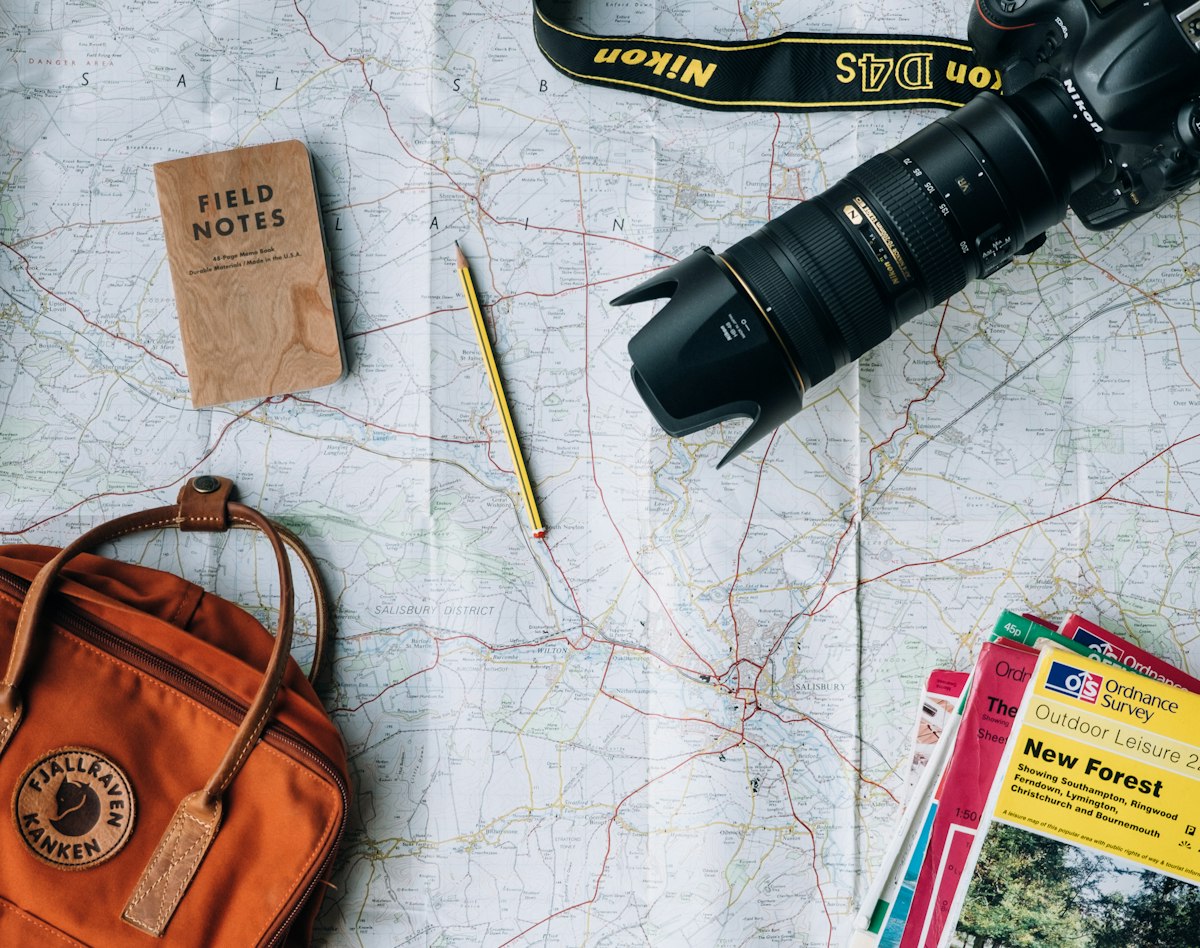
Traveling the world doesn't require a fat bank account — it requires good planning. Some of the most well-traveled people aren't the wealthiest; they're simply the ones who know how to book smart, pack light, and make their money go further. Whether you're planning a weekend city break or a six-month backpacking trip, these budget travel tips apply anywhere in the world, from Southeast Asia to South America to Europe.
🛫 1. Booking Flights for Less
- Be flexible with dates. Flying mid-week (Tuesday/Wednesday) is often 10–20% cheaper than weekend flights. Use flexible date search tools to compare a whole month at once.
- Set fare alerts. Tools like Google Flights, Skyscanner, or fare-alert services will notify you the moment prices drop on your route.
- Book 2–4 months ahead for international trips. This window typically offers the best balance of availability and price — too early or too late usually costs more.
- Use an incognito/private browser window when searching, since prices can rise with repeated searches on some sites.
- Consider budget airlines and nearby airports. Flying into a secondary city and taking a short bus or train can save significantly on the airfare.
🏨 2. Cheaper Accommodation
- Mix it up: hostels, guesthouses, and budget hotels are usually far cheaper than international chains, and often more local in character.
- Try house-sitting or home-swapping platforms — stay for free in exchange for looking after someone's home or pets.
- Book longer stays for discounts. Many apartment rentals offer 20–40% off for stays of a week or more.
- Consider overnight transport (night buses or trains) to combine a travel day with a "free" night's accommodation.
🍜 3. Eating Well for Less
- Eat where the locals eat. Street food stalls and small local eateries are typically both cheaper and more authentic than restaurants near tourist attractions.
- Shop at local markets and supermarkets for snacks, fruit, and simple meals — especially if your accommodation has a kitchen.
- Take advantage of lunch specials. Many restaurants worldwide offer set lunch menus at a fraction of the dinner price for the same food.
- Carry a reusable water bottle and refill it where safe, rather than buying bottled water constantly.
🚌 4. Getting Around Cheaply
- Use public transport instead of taxis — buses, metros, and trains are usually a fraction of the cost and give you a more local experience.
- Buy multi-day transit passes if you'll be taking several rides a day — they almost always work out cheaper than single tickets.
- Walk or cycle when distances allow. It's free, healthy, and often the best way to discover a city.
- Compare regional rail/bus passes (like Eurail in Europe or regional JR passes in Japan) against individual tickets — they're only worth it if you're covering enough distance.
🎟️ 5. Free & Cheap Activities
- Look for free walking tours, available in most major cities (tip-based, so pay what you can).
- Check for free museum days. Many major museums offer one free day per month or free entry after a certain hour.
- Explore nature. Parks, hiking trails, beaches, and viewpoints are free almost everywhere and often the most memorable part of a trip.
- City tourism cards can be worth it if you plan to visit several paid attractions in a short time — do the math first though, as they aren't always a real saving.
📅 6. Timing & Planning Smart
- Travel in shoulder season (just before or after peak season) for lower prices and smaller crowds, with weather that's often still great.
- Avoid major local holidays in your destination, when prices for flights and hotels can spike sharply.
- Set a daily budget before you go, based on real research into local prices, and track your spending with a simple app or spreadsheet.
- Get travel insurance. It feels like an extra cost, but a single medical emergency or cancellation without it can wipe out an entire trip's savings.
💳 7. Money & Currency Tips
- Use a no-foreign-transaction-fee card. Standard cards can charge 2–3% on every purchase abroad — that adds up fast.
- Withdraw cash from ATMs rather than currency exchange counters, which usually offer worse rates, especially at airports.
- Always choose to be charged in the local currency, not your home currency, when paying by card — it avoids hidden conversion markups (dynamic currency conversion).
- Keep a small emergency cash reserve in a separate place from your main wallet.
🌍 Cheap Regions to Consider in 2026
If your budget is the main factor in choosing where to go next, some regions consistently offer excellent value: Southeast Asia (Vietnam, Thailand, Cambodia, Indonesia), Central America (Guatemala, Nicaragua), Eastern & Central Europe (Poland, Hungary, Bulgaria, Albania), South Asia (Nepal, India, Sri Lanka), and parts of North Africa (Morocco, Egypt). These destinations combine low daily costs with rich culture, food, and scenery.
🎒 Final Thoughts
Budget travel isn't about depriving yourself — it's about spending smart so your money lasts longer and goes toward what actually matters to you, whether that's more days on the road, better experiences, or simply peace of mind. Start with a realistic budget, apply a few of these tips on your next trip, and you'll be amazed how far you can go.
What's your best money-saving travel tip? Share it in the comments below!
Enregistrer un commentaire